Consumer behaviour in 2026 is no longer just about what people buy. It is about why they buy, how they make decisions, and whether they trust a brand enough to choose it. With so many options available online, people now think more critically, feel more emotionally connected, and behave very differently than they did before. Understanding consumer buying behavior has become crucial for businesses seeking to thrive in a digital-first world.
Today’s customers are smarter, more informed, and more selective. They take time to research before buying, but they don’t tolerate confusion, pressure, or poor experiences. Brands that succeed in 2026 are those that truly understand modern consumer buying behavior and adjust their communication, sales, and customer service accordingly
Customers today don’t just want a product; they want clarity, trust, and relevance. They expect personalized experiences, but they also expect honesty and transparency. Modern consumer buying behaviour shows that people prefer to move at their own pace, make decisions on their own terms, and choose brands that respect their time and intelligence.
Understanding consumer buying behaviour is not just about following trends. It is about knowing why people make the choices they do and how those choices shape your marketing success in a fast-changing digital world

Consumer Buying Behavior Mindset in 2026
The biggest change in consumer buying behaviour is mindset. Modern consumers no longer see themselves as passive buyers. They see themselves as informed decision-makers who expect value, transparency, and respect from every brand they interact with.
Before making a purchase, consumers now ask deeper questions.
Can I trust this brand?
Does it align with my values?
Is it worth my time and money?
Brand loyalty has also changed. People are less loyal to brand names and more loyal to experiences. One poor interaction can be enough for them to walk away. This shift in mindset strongly influences how consumer buying behavior evolves across all industries.
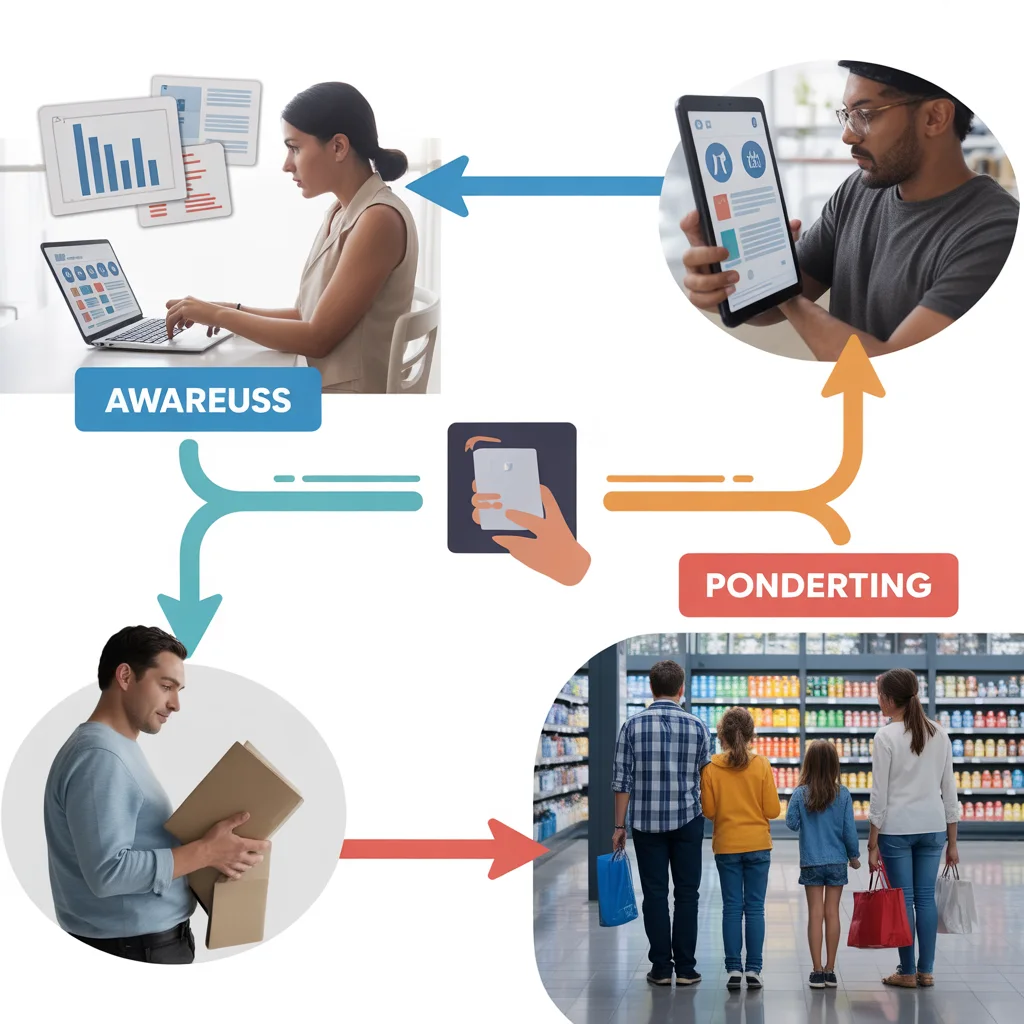
Consumer Buying Behavior Shows That Awareness Now Starts With Trust, Not Advertising
In the past, advertising created awareness. In 2026, trust creates awareness.
Consumers now discover products through reviews, creator content, online communities, and real customer experiences. Social proof has become one of the most powerful forces shaping consumer buying behaviour.
People trust people more than brands. A genuine recommendation feels safer than a polished advertisement. Even when ads appear, consumers usually check reviews before believing the message. Awareness today is built slowly, through consistency, honesty, and credibility.
Emotional Connection Plays a Major Role in Modern Consumer Buying Behavior
Interest is no longer created by features alone. It is driven by emotion.
In 2026, consumer buying behaviour is deeply emotional. Consumers want to feel understood, not sold to. Brands that communicate with empathy, authenticity, and relatability naturally attract more attention than those focused only on discounts or promotions.
Storytelling plays a major role here. When brands share real stories about people, purpose, or impact, consumers feel involved. That emotional connection turns simple interest into genuine curiosity.
Research Has Become a Non-Negotiable Part of Consumer Buying Behavior
One of the strongest patterns in modern consumer buying behaviour is the importance of research.
Before making a decision, consumers compare prices, read reviews, watch videos, explore social media, and look into a brand’s values. This happens for everyday purchases as well as major investments.
Research gives consumers confidence. Brands that hide information or lack transparency quickly lose trust. In 2026, the research stage is where many buying decisions are either confirmed or rejected.
Personalization Strongly Influences Consumer Buying Behavior and Decisions
Personalization is no longer optional. It directly influences consumer buying behaviour.
Consumers expect brands to understand their preferences, needs, and previous interactions. Generic messaging feels outdated and easy to ignore. People respond more positively when a product or service feels relevant to their lifestyle.
When communication feels personal and meaningful, decisions happen faster. A brand that feels aligned with a consumer’s needs naturally earns trust.
Values and Ethics Now Matter More Than Price in Consumer Buying Behavior
Price still matters, but values often matter more.
In 2026, consumer buying behaviour is strongly influenced by ethics, sustainability, and social responsibility. Consumers actively support brands that reflect their beliefs and avoid those that don’t.
People want to know where products come from, how employees are treated, and whether a brand contributes positively to society. Consumers are no longer buying just products; they are buying meaning and purpose.
Social Influence Has a Powerful Impact on Consumer Buying Behavior
Social media has completely reshaped consumer buying behaviour.
Consumers often rely on creator opinions and peer feedback when making a choice, as positive experiences strengthen trust while negative ones can quickly harm a brand’s image.
Consumers no longer follow influencers blindly. They value honesty, transparency, and real-life use. Micro-creators and niche communities now influence decisions more than celebrity endorsements.
Convenience Is a Key Factor Shaping Consumer Buying Behavior Today
Modern consumers value their time as much as they value their money.
If a buying process feels complicated or slow, consumers leave. Smooth navigation, easy payments, quick support, and clear communication all play a major role in consumer buying behaviour.
Convenience creates comfort. Comfort builds confidence. Confidence leads to conversion. Brands that simplify the buying journey earn stronger trust and long-term loyalty.

The Final Decision Is Still Emotional
Even after researche and comparison, the final buying decision is emotional.
Consumers often justify their choices logically, but they decide emotionally. A sense of reassurance, a positive feeling, or a strong connection can be the final push.
In 2026, consumer buying behaviour shows that consumers want reassurance at the last moment, clear policies, visible reviews, and reliable post-purchase support. That sense of safety is what closes the deal.
Post-Purchase Experience Shapes Future Behaviour
The consumer buying behavior journey doesn’t end after payment.
The post-purchase experience has a strong impact on future consumer buying behavior. Consumers remember how a brand made them feel after the sale through delivered communication, support, and follow-up.
A positive experience creates repeat customers and brand advocates. A negative one leads to lost trust and public criticism. In 2026, after-sales experience is not just support; it is marketing.
Consumer Buying Behaviour Is More Human Than Ever
The most important truth about consumer buying behaviour in 2026 is simple: it is deeply human.
Even with advanced technology, AI, and automation, consumers crave authenticity. They want to feel heard, respected, and valued. Brands that communicate like humans, not machines, build stronger relationships.
Buying decisions today are shaped more than ever by emotion, trust, values, and experience.
Final Thoughts
Consumer behaviour in 2026 is thoughtful, emotional, and experience-driven. Consumer buying behaviour is no longer a straight path; it is a connected journey shaped by trust, personalization, social influence, and shared values.
Brands that understand this shift don’t just sell product. They build relationships.
In 2026, relationships are what truly drive buying decisions.